2 April 2026
EN 13501-2 Classification Reports - What They Verify and Why They Matter
A classification report is the two pillars of fire door and fire curtain certification in the UK and Europe. Here's what it actually verifies - and why uncertified products are a real risk.
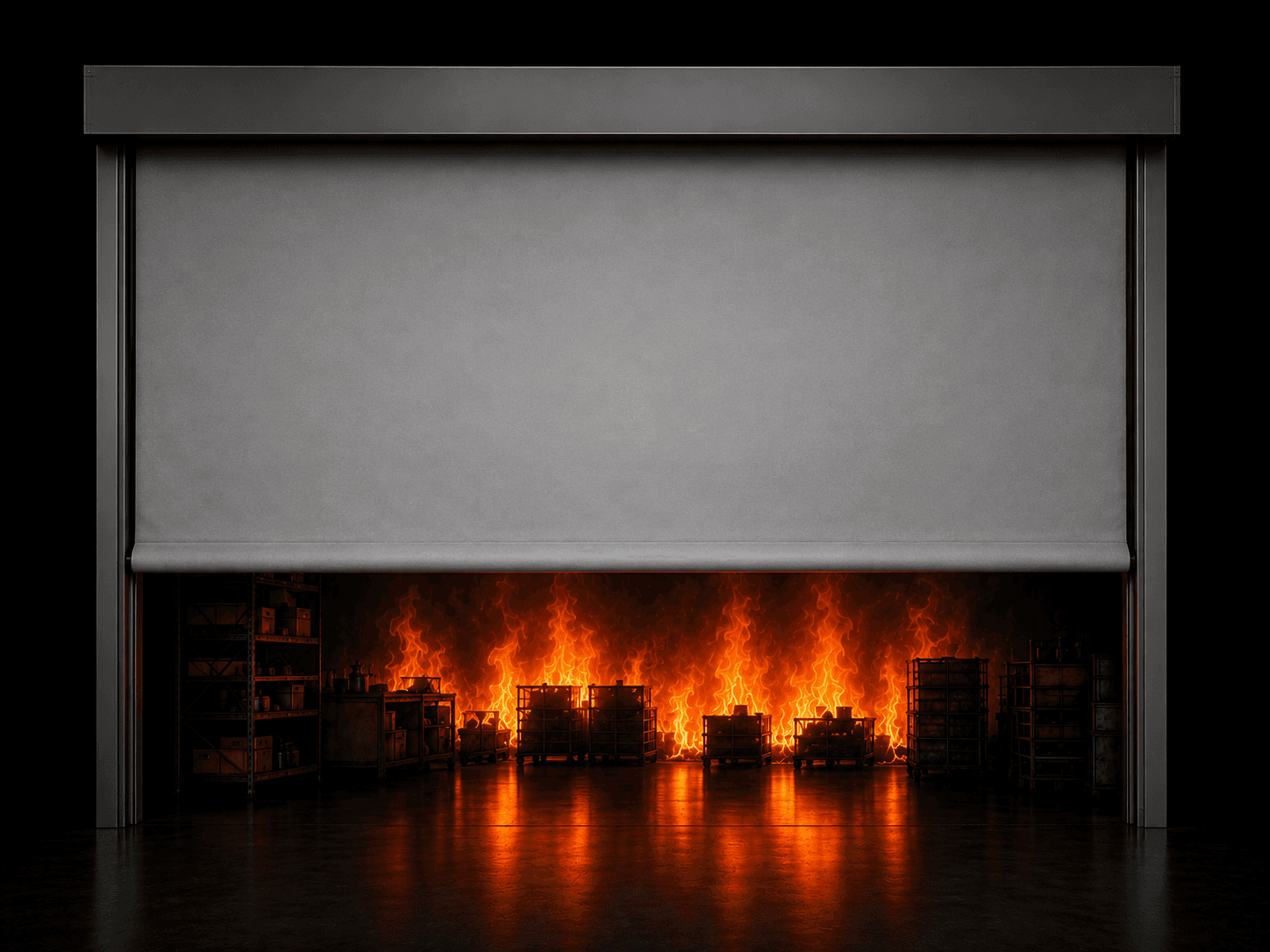
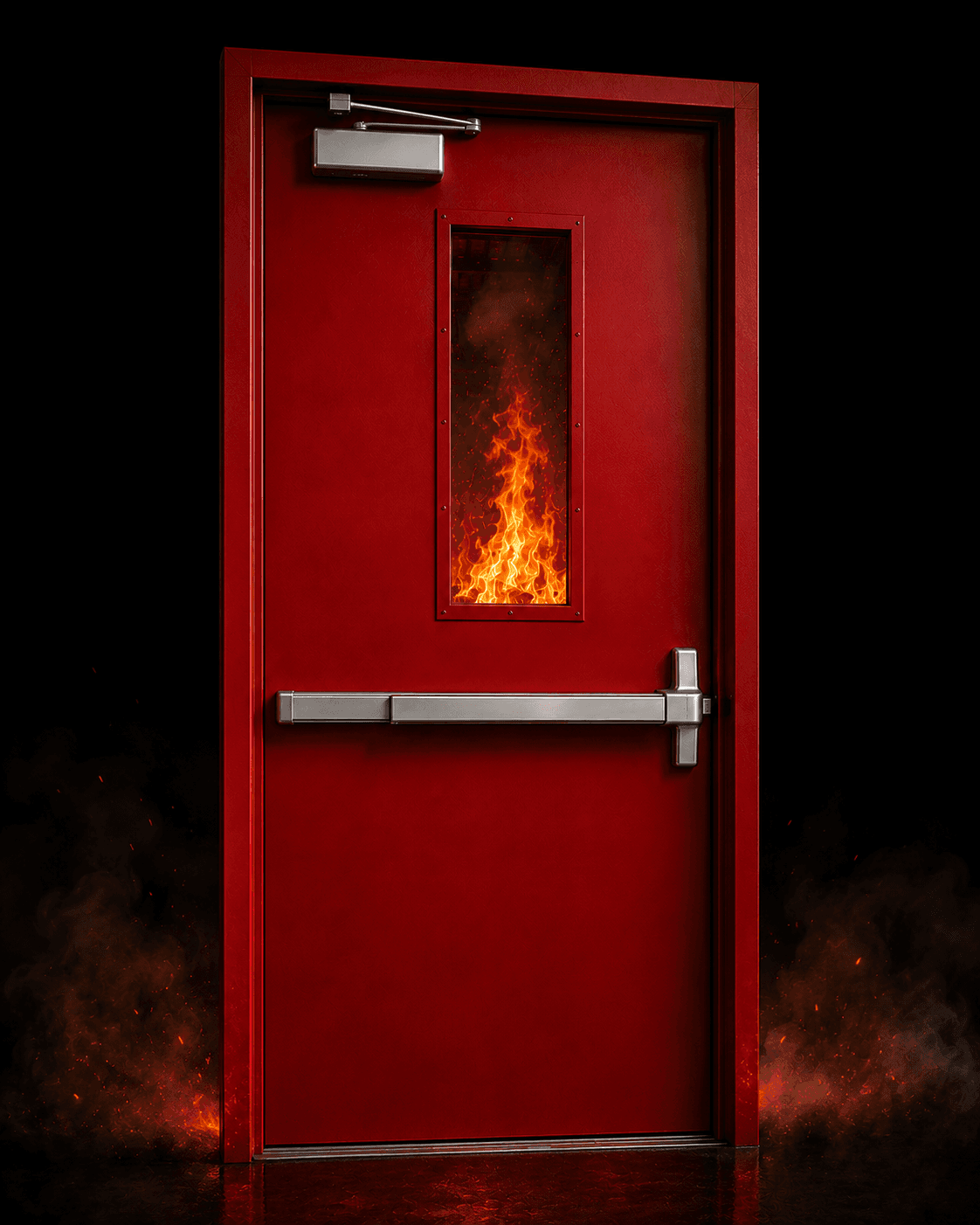
When a fire door or fire curtain datasheet says '120 minutes', that number is meaningless unless it is backed by an independent furnace test and a recognised classification. In the UK and Europe, the reference points specifiers should look for are an EN 1634-1 test report and the EN 13501-2 classification derived from it. Neither is a formality - both represent a specific, verifiable process that distinguishes a tested product from a door or curtain that merely looks the part.
What the Furnace Test Verifies
Independent, accredited test houses such as Efectis and TÜV SÜD carry out fire resistance testing following the standardised furnace exposure methodology set out in EN 1634-1 - a full-size assembly, in its frame or head box, with its hardware, is subjected to a controlled time-temperature fire curve while integrity and, where applicable, insulation are monitored. The result is a test report referencing a specific construction: shutter gauge, frame gauge, infill material, thickness, and hardware specification for a door, or fabric, guide rail and head box detail for a curtain. Crucially, the rating applies to that exact construction - change the infill, the gauge, or the hardware, and the test report no longer applies.
EN 13501-2 and CE Marking
EN 13501-2 is the European classification standard that translates furnace test results into the E, EI and EW notation used across product datasheets and specification tables. Paired with EN 16034, the harmonised product standard for fire-resisting and smoke-control doorsets, shutters and curtains, EN 13501-2 classification is the basis for CE marking on these products. A classification report is therefore not an optional quality indicator - for products placed on the market, it is a core part of the compliance mechanism itself.
The Risk of Uncertified Products
An uncertified steel door or curtain assembly - one manufactured to 'look like' a 120-minute product using similar gauge steel or fabric, but never furnace tested - carries no evidence of how it actually performs under fire conditions. The shutter may deform, the seals may fail, or the frame may distort and release the leaf well before the claimed duration. In a compliance audit or post-incident investigation, the absence of an EN 1634-1 test report and EN 13501-2 classification is not a paperwork issue - it represents an unverified life-safety claim on the building's most critical compartmentation elements.
Procurement Guidance for Specifiers
- -Always request the EN 1634-1 test report referencing the exact construction being supplied - shutter or fabric specification, frame or guide rail gauge, infill, thickness and hardware.
- -Confirm the EN 13501-2 classification is current and applies to the specific product range and configuration being ordered.
- -Be cautious of suppliers offering a single 'rating' across multiple constructions - a valid test report applies to one specific assembly.
- -Where possible, work with manufacturers who conduct random in-house furnace tests in addition to certification testing - this indicates ongoing quality control, not a one-time test.
Every BÖLDT fire door and fire curtain is tested to EN 1634-1 and classified to EN 13501-2, manufactured in-house. We additionally conduct random in-house furnace tests at our own facility to verify ongoing performance - not just the performance of the unit that was originally certified.