29 June 2026
Fire Doors vs Smoke Control Doors - What's the Difference?
Fire and smoke are different hazards, tested and classified differently, and a door built for one job isn't automatically suited to the other. Here's how the two are distinguished.
Fire and smoke are frequently discussed together, but they are genuinely different hazards, and doors are tested, classified and specified differently depending on which one a given opening needs to resist. A door that performs well against fire is not automatically effective against smoke, and vice versa - the two require distinct design features and are verified through distinct test criteria.
Two Different Hazards, Two Different Jobs
A fire door's core job is to resist the passage of flame and, in higher-rated configurations, to limit the transfer of heat through the door (insulation). Smoke, by contrast, can travel through gaps far smaller than those a fire needs to spread through, and it typically becomes dangerous to occupants well before flame reaches a given location - smoke inhalation, not burns, is the leading cause of fire deaths in most building fire statistics. A door effective against smoke needs close-fitting seals and tight tolerances specifically engineered to restrict smoke leakage at ambient or moderately elevated temperatures, which is a different engineering problem to surviving direct flame exposure for 30, 60 or 90 minutes.
How This Shows Up in Classification
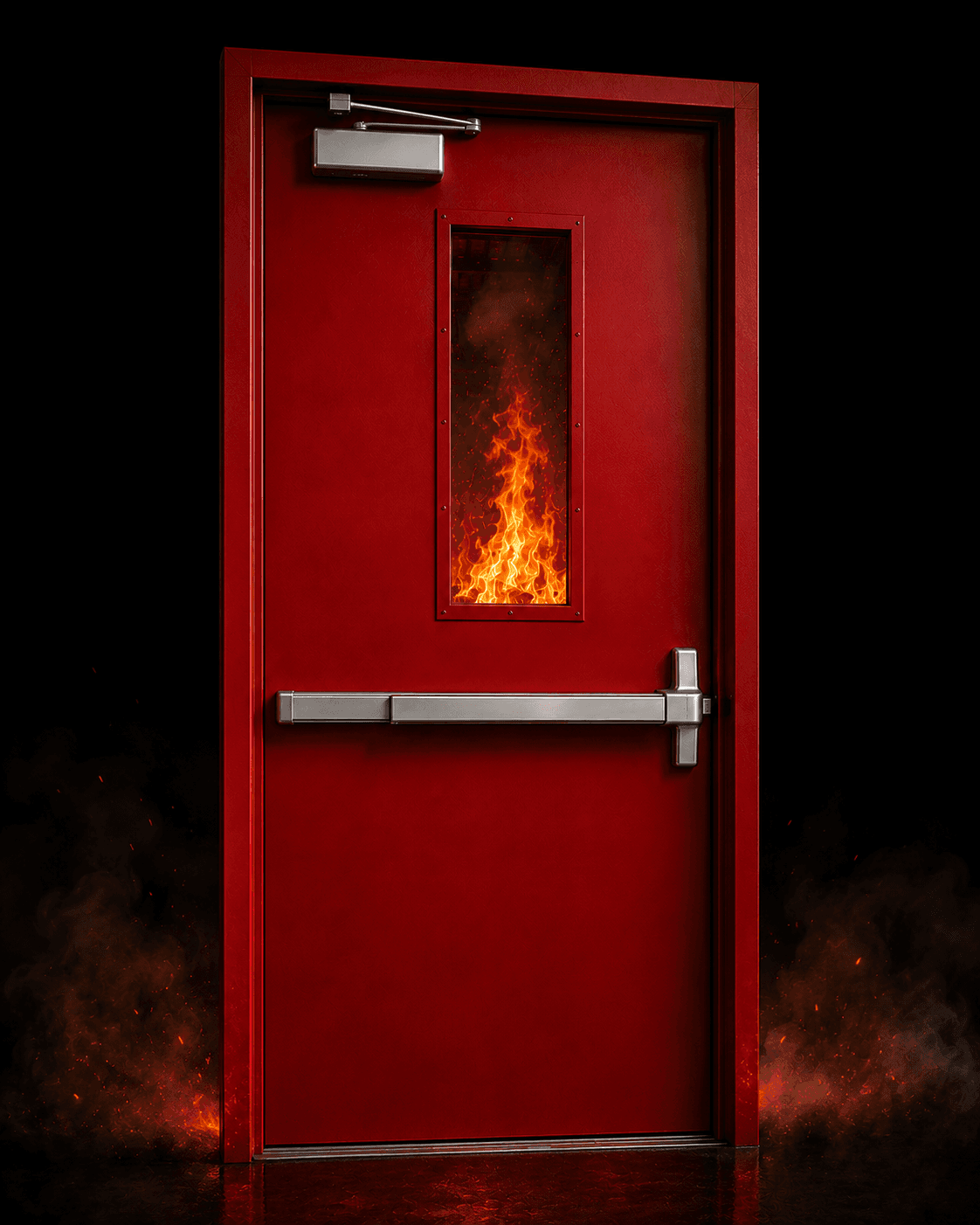
Under EN 13501-2, fire resistance and smoke leakage are assessed and classified separately, then combined in a door's overall classification where relevant. The E (integrity) and I (insulation) criteria describe fire resistance performance; the S classification (Sa for ambient-temperature smoke leakage, S200 for elevated-temperature smoke leakage) describes smoke performance specifically. A door can be rated, for example, EI 30-Sa, indicating it meets both a 30-minute fire resistance requirement and an ambient-temperature smoke leakage requirement - the two figures are separate test outcomes on the same certificate, not a single combined score. The familiar UK shorthand reflects this directly: FD30S denotes a 30-minute fire door with the S suffix specifically indicating it also meets smoke seal requirements - a plain FD30 door, without the S, is not certified against smoke leakage at all.
Where the Distinction Matters Most
Escape routes are the location where the smoke criterion tends to matter most in practice, since a corridor or stairwell that fills with smoke early in a fire - even one whose walls and doors are holding back flame perfectly well - can become impassable for evacuation long before the fire itself reaches that location. This is why UK guidance frequently specifies smoke-sealed doors (the S suffix) at protected escape routes even where the fire resistance period required is relatively modest, reflecting that the smoke risk to an evacuation route is often the more time-critical hazard of the two.
Practical Guidance for Specification
- -Never assume a fire-rated door is automatically smoke-rated - check for the specific S classification (Sa or S200) on the test certificate rather than inferring it from the fire resistance rating alone.
- -Specify smoke seals explicitly for doors on protected escape routes, where smoke ingress can compromise evacuation well before fire resistance is tested.
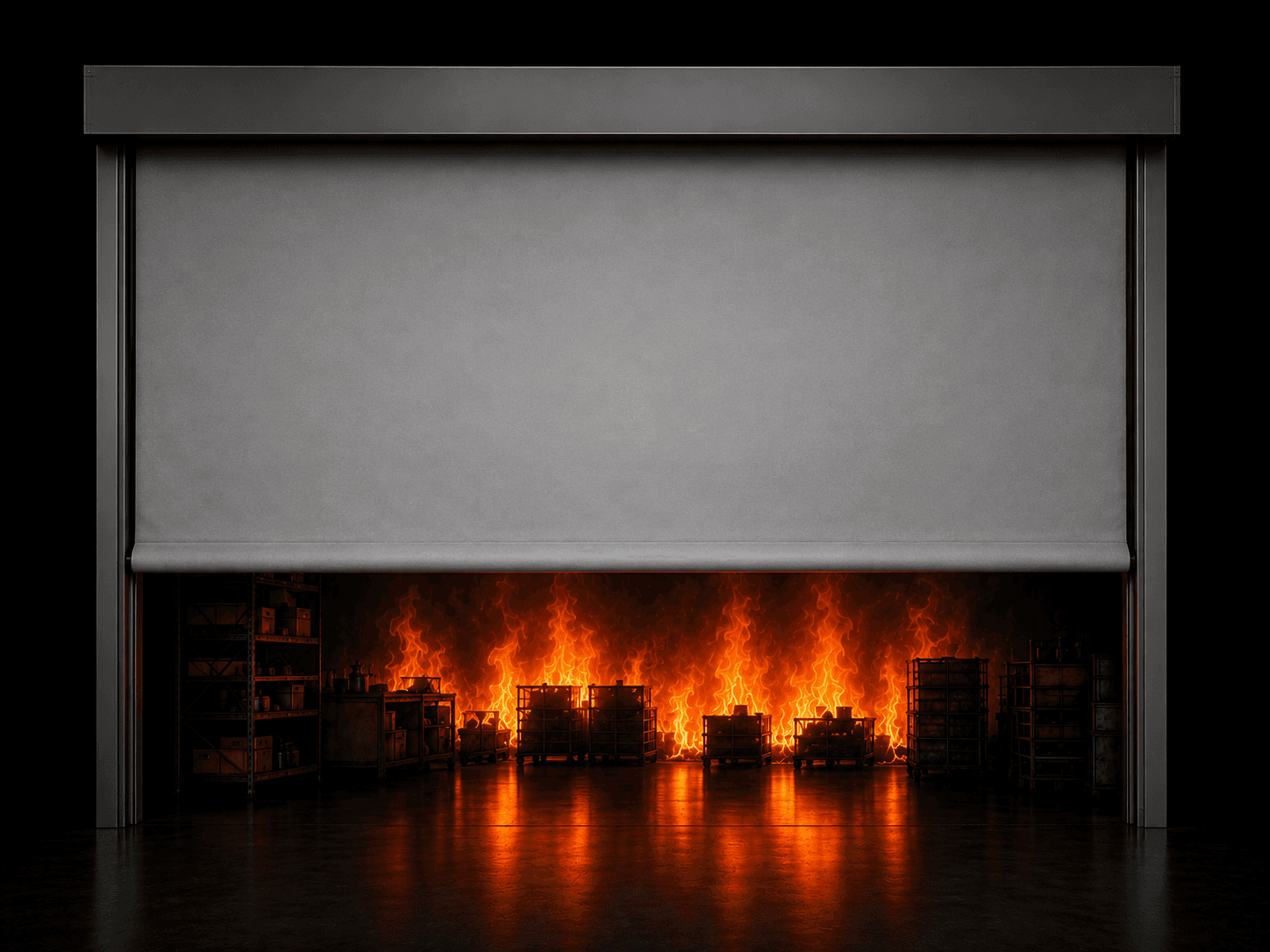
- -For fire curtain applications specifically intended for smoke control rather than full fire resistance, confirm testing to EN 12101-1 rather than assuming EN 1634-1 fire resistance testing alone covers smoke performance.
- -Where a door needs to perform both roles, request a single doorset certified to both criteria together (e.g. EI 30-Sa) rather than assuming two separately-rated products can simply be combined.
BÖLDT fire doors are available with smoke seal configurations classified to EN 13501-2 (Sa and S200), and our smoke curtain range is tested separately to EN 12101-1 for applications where smoke control is the primary requirement.